The facts
What touches their skin matters.
Babies' skin is thinner and more absorbent than adults', and they breathe faster and put everything in their mouths. That makes the clothes they wear all day — and sleep in all night — more important than we think.
How ordinary clothes can affect health
Pesticide residues
Conventional cotton is among the most heavily sprayed crops. Trace residues can remain in fibres that rest on skin for hours a day.
Formaldehyde finishes
Used for wrinkle- and shrink-resistance. It's a known skin irritant and can trigger contact dermatitis, especially in sensitive or eczema-prone skin.
Azo & heavy-metal dyes
Some synthetic dyes can release aromatic amines or contain metals like chromium — linked to allergic reactions.
Flame retardants & PFAS
Chemical treatments added to some sleepwear and "stain-proof" fabrics have been associated with hormone disruption in studies.
Synthetic fibres
Polyester blends trap heat and moisture, which can worsen rashes and overheating, and shed microplastics in every wash.
Effects vary by exposure and individual. Information here is educational, not medical advice.
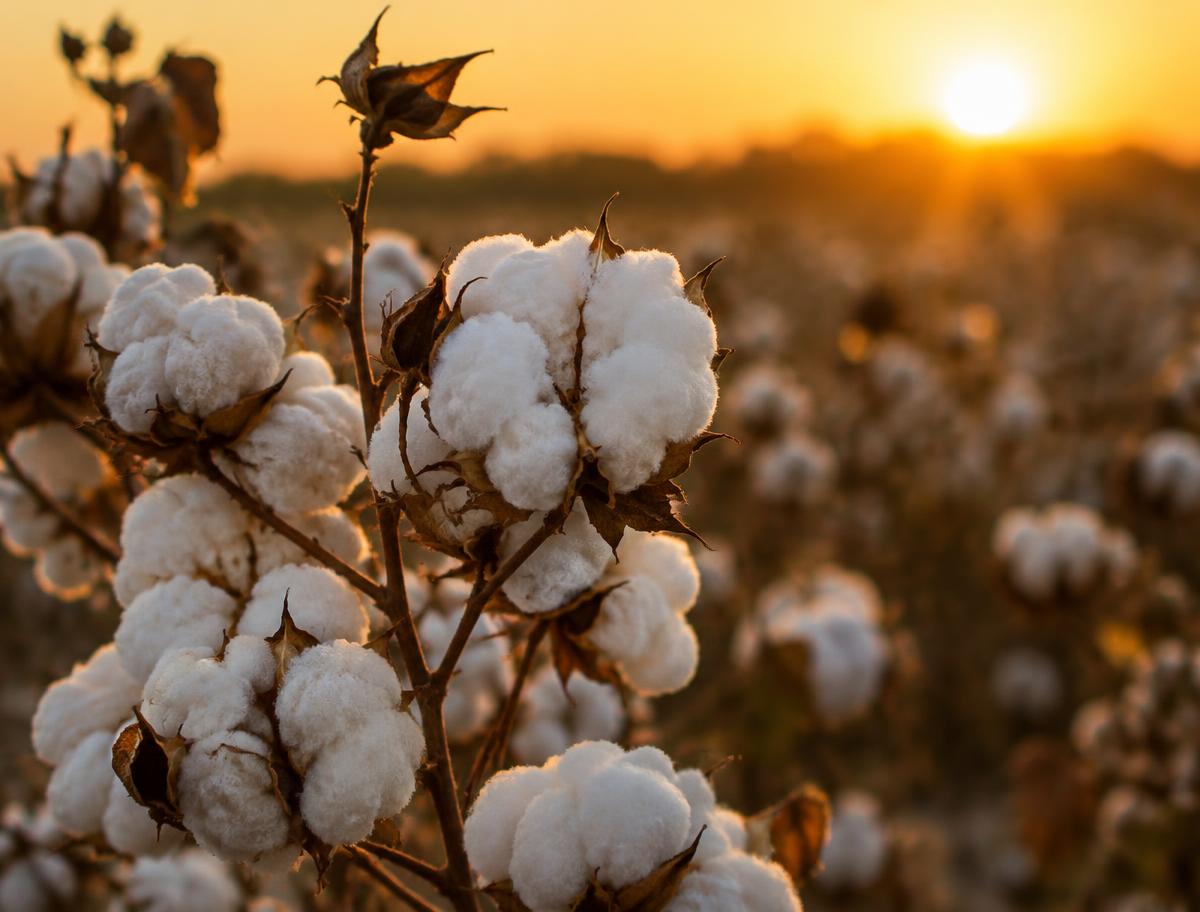
The organic difference
- Breathable
- Natural fibres regulate temperature for calmer, cooler sleep.
- Hypoallergenic
- No harsh finishes — kinder to eczema and sensitive skin.
- Softer with every wash
- Long, unbroken fibres that haven't been chemically stripped.
- Better for their future
- Organic farming uses up to 91% less water and builds healthy soil.